Key Takeaways
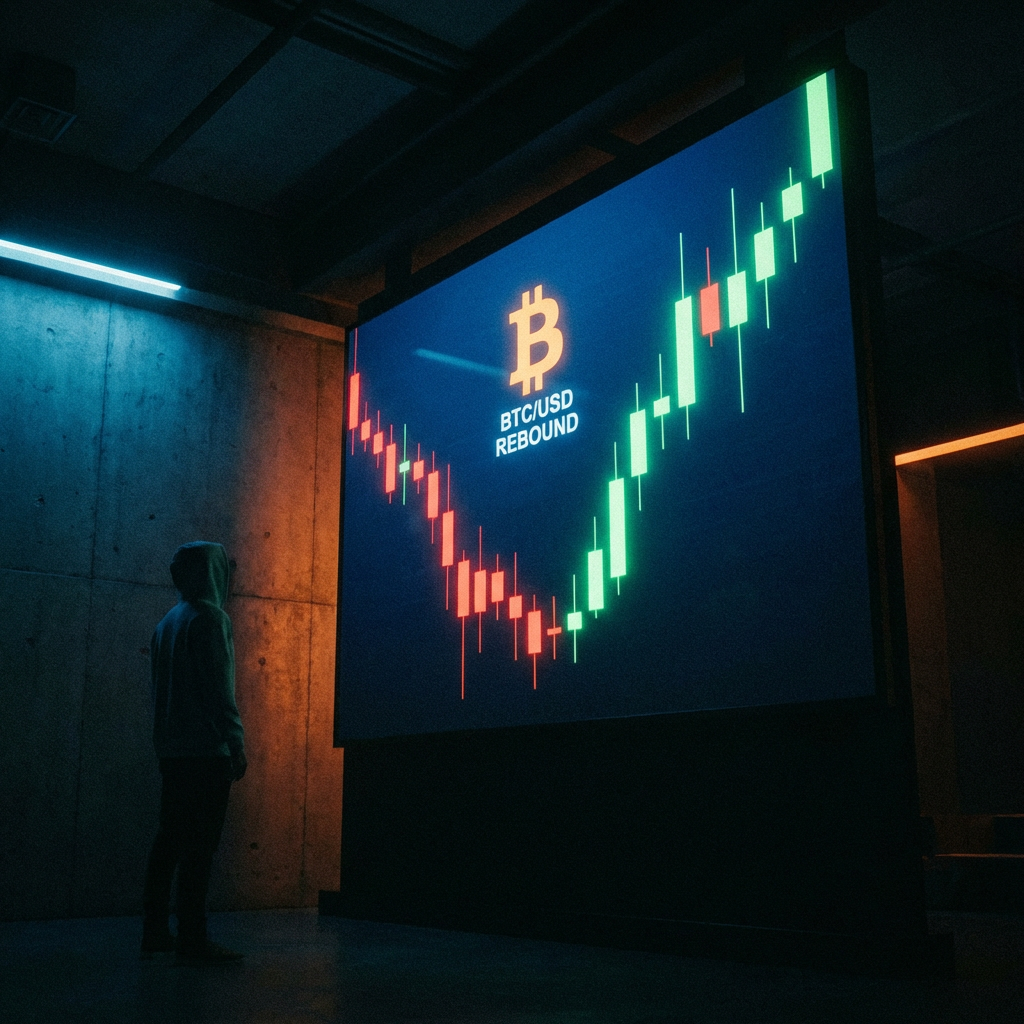
- Bitcoin’s week was driven by macro mood after inflation data, with price pushing higher and then staying choppy.
- Spot Bitcoin ETFs swung sharply, showing investors are still quick to add or pull money based on headlines.
- A major U.S. crypto rules bill stalled after industry pushback, keeping “rules uncertainty” in focus.
- Bitcoin derivatives keep shifting toward options over futures, which can soften sudden leverage shocks.
- A single victim lost about $282 million in a social-engineering wallet scam, a reminder that people remain the weakest link.
- Mining conditions improved in early 2026 as hashrate dipped and profitability metrics rose, lifting miner stocks.
- Bankruptcy cleanup and payouts are still part of the market story, with FTX setting the next creditor timeline.
Introduction
Crypto is starting 2026 with a familiar mix: macro headlines moving bitcoin, policy fights dragging on, and the industry still dealing with security and cleanup from the last cycle. This past week captured all of that at once.
Bitcoin moved higher on softer inflation nerves, but the market still traded in wide ranges. ETF flows swung from cautious to aggressive. Lawmakers hit pause on a major U.S. bill after pushback. And a huge wallet scam reminded everyone that “secure tech” is not enough if a user is tricked.
If you want the short version of “what comes next,” it’s not one event. It’s a set of pressure points that keep returning: regulation, liquidity, and trust.
Context
This week’s price action shows how closely bitcoin still tracks the bigger market mood. When inflation data lands close to expectations, traders often feel less pressure from the “rates stay high forever” story. That can lift risk assets, including crypto, even if nothing changes inside the crypto world itself.
At the same time, crypto is now tied to traditional market plumbing in a way it wasn’t a few years ago. ETFs are a daily scoreboard of investor demand. Derivatives are where big traders express hedges and risk limits. When those pipes change direction, spot prices often follow.
Policy remains the other big driver. The U.S. is still trying to write the rules that decide how tokens are classified and who regulates what. This week’s bill stall matters because it keeps uncertainty alive for exchanges, DeFi builders, and stablecoin firms at the same time.
Finally, the week showed the two “non-price” stories that keep shaping sentiment: security and cleanup. A massive wallet scam made headlines. And the FTX estate kept moving through creditor payments and lawsuits. In 2026, crypto is still building forward while paying old bills.
Main Breakdown
- Bitcoin traded higher after inflation data helped calm rate fears, but the move stayed uneven and headline-driven.
- Spot Bitcoin ETFs flipped between heavy demand and pullbacks, showing investor conviction is still fragile and fast-changing.
- A major U.S. crypto rules bill hit a pause after public opposition from a top U.S. exchange, raising doubts about the bill’s current shape and timing.
- The stablecoin debate is now a political fight, not just a product debate, especially around whether stablecoins can offer rewards to holders.
- Bitcoin derivatives data keeps showing options open interest staying larger than futures, a sign traders are using more hedging and defined-risk positions.
- A major crypto crime story this week was not a smart contract exploit or exchange breach:
- A single victim was socially engineered into approving a wallet drain.
- Roughly $282 million in BTC and LTC was taken.
- Parts of the funds were then moved and swapped quickly to blur the trail.
- Miners got a short-term boost as network competition eased:
- Hashrate dipped modestly.
- Revenue per unit of hashrate improved.
- Mining margins and “hashprice” measures rose in early January.
- The bankruptcy cycle is still active:
- FTX set the next record date and payout start date for creditors.
- The estate is also fighting over big recovery claims, including a large lawsuit against a mining firm.
- The “state of crypto” right now is not one clean trend:
- Macro still pulls prices around.
- ETFs and derivatives shape short-term flow.
- Policy remains unsettled.
- Security incidents still hit even experienced holders.
Market Impact
- Macro-driven moves keep bitcoin trading like a liquid, global risk asset:
- It can rally quickly when rate pressure eases.
- It can also reverse quickly when the mood changes.
- ETF flow swings are now a major market signal:
- Strong inflow days can pull bitcoin higher even without crypto-specific news.
- Outflow streaks can cap rallies and bring back a “sell the bounce” mindset.
- The stalled U.S. bill keeps a cloud over the market structure story:
- Exchanges want clearer lines so they can list and offer products with less legal risk.
- DeFi builders worry that poor definitions could treat software like a middleman.
- Stablecoin firms face direct pressure from banking politics.
- Options leading futures in open interest can change volatility:
- Less reliance on pure futures leverage can reduce sudden liquidation cascades.
- More options positioning can pull prices toward key strike levels around expiries.
- The $282M wallet scam is a confidence hit, especially for newer users:
- It reinforces that scams can be bigger than “technical hacks.”
- It tends to raise fear and increase copycat attempts.
- Mining tailwinds can spill into public markets:
- Miner stocks often move more than bitcoin when margins change.
- Better mining economics can improve balance sheets and reduce forced selling pressure.
- Bankruptcy news still affects trust and behavior:
- Clear payout timelines can reduce uncertainty for creditors.
- Big recovery lawsuits remind the market that legal risk can last for years.
- Overall, this week’s market impact was about structure:
- How money enters (ETFs),
- How risk is managed (options),
- How rules may change (policy),
- And how trust can break (scams).
Implications for Investors
- The biggest driver to watch is still the same: macro headlines that shift rate expectations and liquidity mood.
- ETF flows now act like a daily “demand meter” for bitcoin:
- If flows stay positive, it supports price stability.
- If flows flip back and forth, it keeps the market jumpy.
- Policy risk remains real because timelines and text can change fast:
- A stalled bill is not the end of the story.
- It often means rewrites, compromises, and delays.
- Options dominance is an important market structure shift:
- It suggests larger players may be hedging more and using defined-risk trades.
- That can change how violent moves look, even if volatility never disappears.
- The wallet scam story underlines a key reality:
- Security is not only about hardware and code.
- It is also about avoiding fake support, fake updates, and rushed decisions.
- For mining-linked exposure, the main swing factors remain:
- hashrate trends,
- power costs,
- bitcoin price,
- and whether improved profitability lasts or fades as competition returns.
- Bankruptcy headlines are still part of the “trust cycle”:
- Payout schedules can move sentiment.
- Recovery lawsuits can drag on and create uncertainty for involved firms.
- The practical “state of crypto” takeaway is simple:
- The market is maturing in access (ETFs) and risk tools (options),
- but it is still messy in rules (policy) and still vulnerable in user security (scams).
Final Thoughts
The state of crypto right now is a mix of progress and growing pains. The market has more mature entry points through ETFs and more developed risk tools through options. Those are signs of an industry that is becoming easier for big money to use.
But the weak points are still loud. A stalled U.S. bill shows the rules are not settled. A $282 million social-engineering theft shows scams remain brutally effective. And the ongoing bankruptcy process around major failed firms shows the last cycle’s damage is still being repaired.
So “what comes next” is not one neat answer. It’s whether these pipes keep improving at the same time: clearer rules, steadier flows, safer user experience, and stronger trust. This week showed all four are still in motion.