After a period of volatility and de-leveraging, leveraged long positions in Bitcoin are making a comeback. QCP Capital reports that both open interest on perpetual futures and funding rates are climbing once more. This resurgence signals growing confidence among derivative traders, even after recent liquidations. The trend is noteworthy because it suggests that institutional and speculative participants are doubling down ahead of what many expect to be a favorable fourth quarter. For investors, this moment presents both opportunity and tail risk: strong momentum may push prices higher, but elevated leverage can magnify sharp reversals.
Context
To make sense of this development, let’s frame how leveraged longs operate, why their reappearance matters now, and what recent market dynamics have led to this point.
- What are leveraged long positions?
In crypto derivatives markets, investors borrow or use margin to take positions that amplify directional exposure. A “long” bet profits if the price rises—leverage magnifies gains and losses.
In perpetual futures (which have no expiry), long positions pay funding fees to short positions when demand is tilted toward longs. Rising funding rates often indicate heavy bullish sentiment. - Why recent volatility mattered
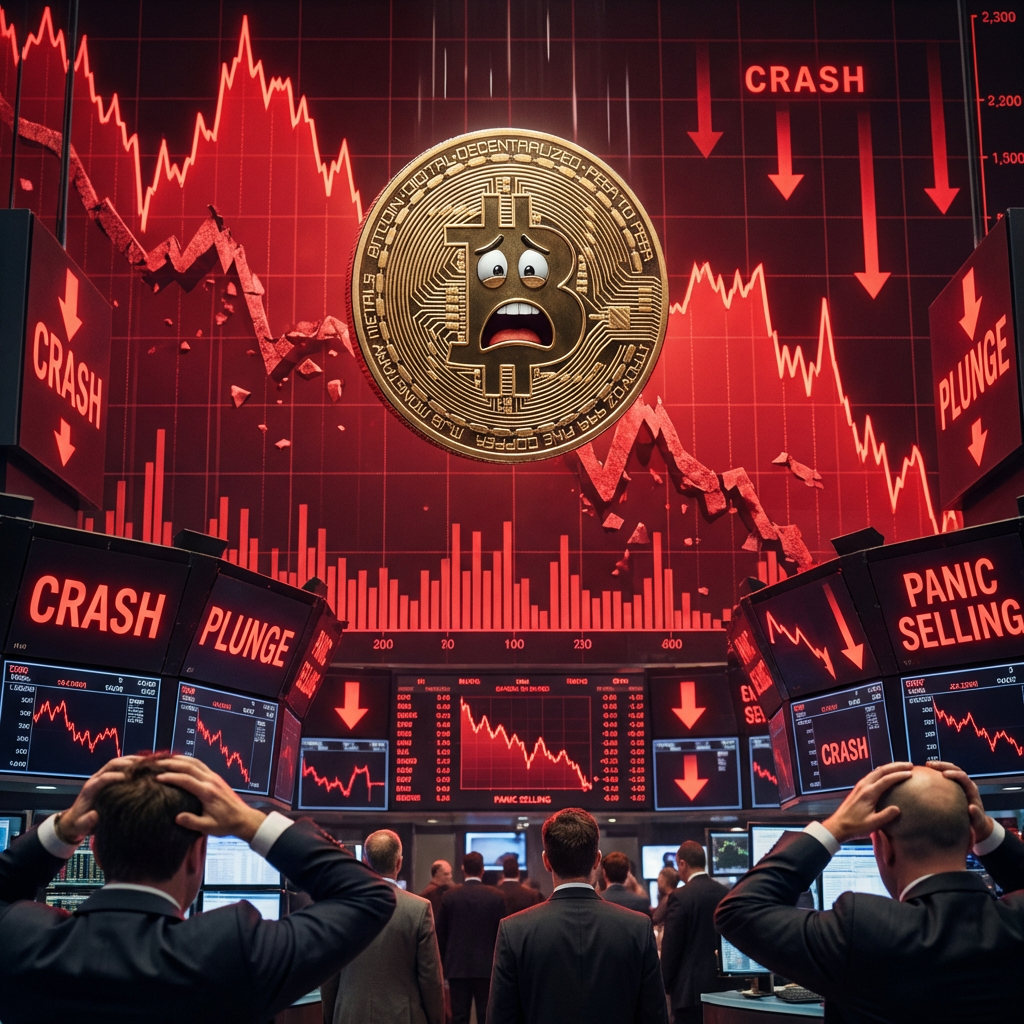
In recent weeks, Bitcoin dropped below key support levels, triggering forced liquidations of leveraged long positions. The result: sharp intraday price swings and elevated risk perception.
Many traders retreated or reduced leverage, flattening risk appetite. But market conditions are dynamic—and when risk-reward improves, re-entry can be aggressive. - Why now—Q4 seasonal strength & institutional flows
Historically, Q4 sees robust performance in crypto markets, partly driven by year-end flows, allocations, and optimism.
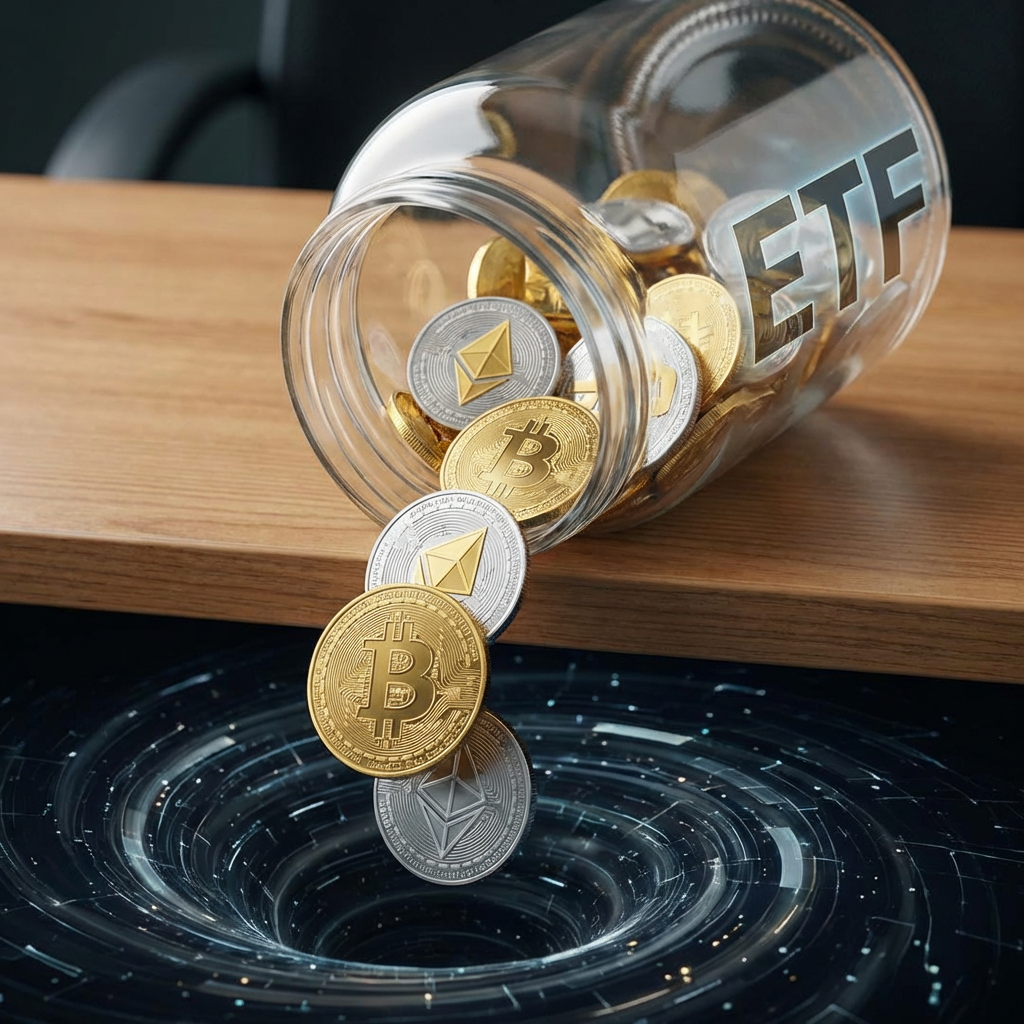
Institutional and fund flows into spot Bitcoin and ETF structures remain active, directing capital pressure into the market.
Against this backdrop, leveraged players may be stepping in early, anticipating momentum and riding compounding gains. - Signals being tracked
Key metrics include open interest (total outstanding leverage), funding rates, long/short ratios, liquidation levels, and basis spreads between spot and futures.
A consistent rise in these metrics suggests a structural shift from caution to aggression.
With that context, we can break down the data and implications this resurgence reveals.
Main Breakdown
- QCP Capital reports rising open interest on Bitcoin perpetuals, moving from approximately USD 42.8 billion to USD 43.6 billion, signaling new capital flow into leveraged positions.
- Funding rates on major platforms have jumped, with some reaching 13% (annualized)—long holders are willing to pay significant premiums to maintain exposure.
- Long bias metrics, such as Hyperliquid’s long-bias indicator, rose to 57% from 36%, showing participants tilting back toward bullish bets.
- Recent deleveraging saw over USD 700 million in long liquidation in one session, yet new accumulation resumed soon after.
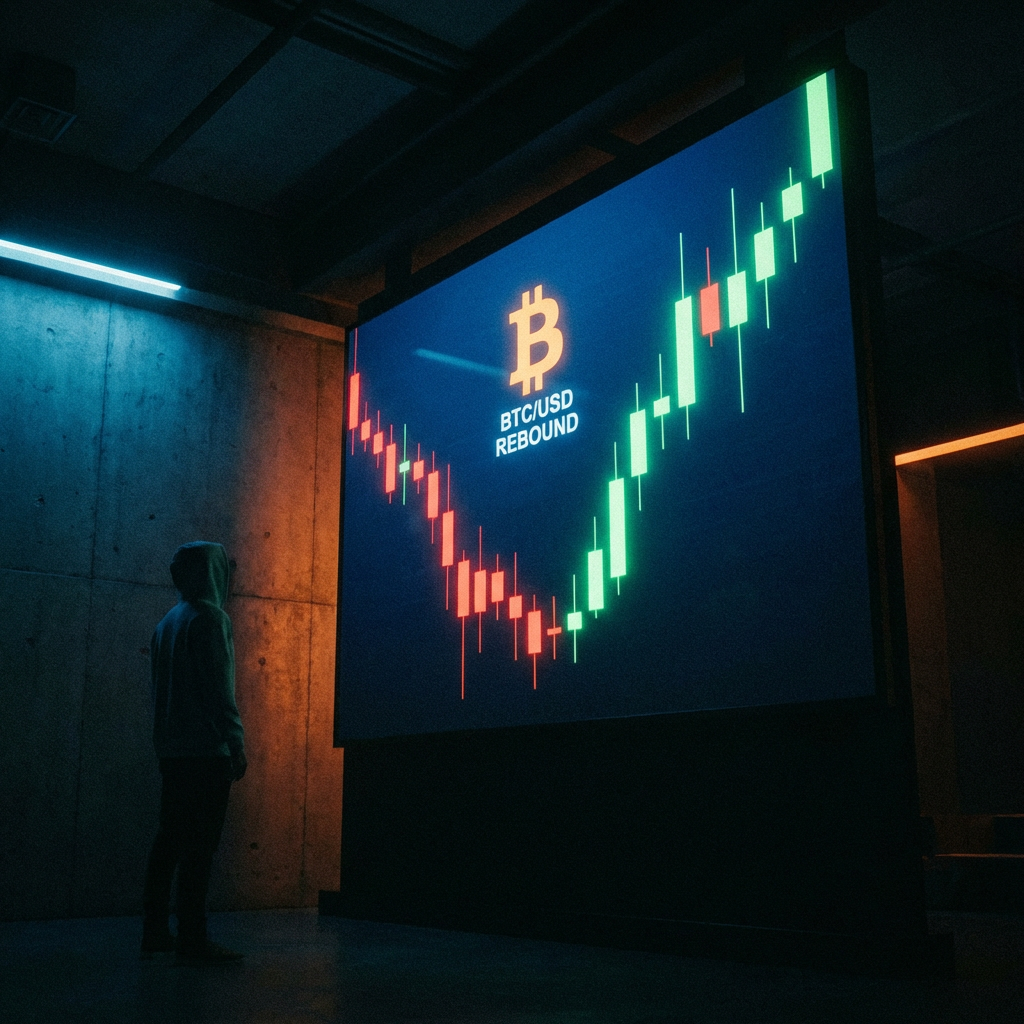
- The willingness to re-engage after sharp drawdowns suggests confidence in underlying upside momentum.
- Some trading signals imply that this bounce in leverage is concentrated in major exchanges and among institutional desks, not just retail.
- Funding rate dynamics show a divergence: shorter-term rates are surging, while longer-term expectations remain cautious—suggesting traders are front-running possible positive catalysts.
- The basis between perpetual and spot prices has tightened, reducing cost of carry and removing some friction for arbitrage and leveraged entries.
Market Impact
- Rising leverage could amplify upside: if momentum continues, price moves can compound sharply.
- But margin risk increases: a sudden reversal may trigger cascades of liquidations, intensifying volatility.
- Elevated funding rates erode profitability for longs over time, especially if price fails to rise.
- Options and futures markets may see expanded implied volatility backed by leveraged positioning.
- Spot markets may see increased Chasing flows—buyers enter late, adding to short-term momentum.
- Altcoins might benefit via rotation if Bitcoin strengthens, as traders shift capital across chains.
- Institutional flow may follow momentum, expanding capital commitment in the direction of trend.
Implications for Investors
- Recognize the polarizing nature of leverage: gains can be strong, but downside risks are nonlinear.
- Watch key support levels: if price breaks under margin thresholds, forced deleveraging becomes likely.
- Monitor funding rate trends; when rates invert or collapse, it’s often a warning signal.
- Time entries carefully: entering mid-leverage rebound may carry higher risk than entering after a cool-off.
- Consider hedges or protective positions (e.g. options) when taking leverage exposure.
- Diversify exposure across assets or reduce bet size in periods of high leverage buildup.
Key Takeaways
- Leveraged Bitcoin longs are reloading: both open interest and funding rates are rising.
- Long bias indicators reflect renewed bullish conviction among derivative traders.
- The resurgence follows a period of intense liquidation, signaling a shift in sentiment.
- Elevated leverage heightens potential upside—but also steep downside risk.
- Investors should engage selectively, with risk controls and strategic awareness.
Final Thoughts
The return of leveraged Bitcoin longs underscores how sentiment and capital can pivot rapidly in crypto. What looked like a post-liquidation cooldown now appears as a reset—and some aggressive players are positioning early for upside in Q4. But this isn’t a risk-free environment. Leverage magnifies both reward and ruin. For those participating, it pays to respect the torque. Whether this re-leveraging becomes a durable trend or a false start depends on macro catalysts, institutional flows, and how swiftly the market moves. In markets driven by capital velocity, staying reactive, alert to red flags, and nimble in position sizing may make the difference between participating in a leg up or being tripped by the next reversal.